The HCRA and Building Officials: Working Together for Safer Homes
May 5, 2026Summary & Key Takeaways
- The HCRA licenses and regulates new home builders and sellers in Ontario.
- Building officials work for municipalities, issue building permits, and enforce the Ontario Building Code.
- The HCRA does not issue permits or conduct construction inspections; building officials do not license builders.
- Licences and permits are not the same — a licence confirms a builder is qualified and accountable while a building permit approves construction plans. Both are required to build homes in Ontario.
- Always verify a builder’s licensing status on the Ontario Builder Directory before you buy.
- The HCRA and building officials each play important roles in protecting homebuyers and ensuring safe construction.
Buying a new home in Ontario involves many moving parts and if you’re a first-time homebuyer, it may not always be clear who does what. It’s common to assume one organization handles everything — from licensing builders to inspecting homes. In reality, ensuring your home is safe and reliable is a shared effort across multiple organizations, each with a distinct role.
This year’s Building Safety Month marks 70 years of the Ontario Building Officials Association (OBOA), highlighting the important work of building officials in ensuring homes are safe and compliant with the Ontario Building Code. As the regulator of new home builders and sellers in Ontario, the Home Construction Regulatory Authority (HCRA) is a proud partner in supporting safe home construction.
So, what’s the difference between the HCRA and building officials? Both play important — but very different — roles in protecting homebuyers and understanding the difference can help you navigate your homebuying journey with confidence.
HCRA vs. Building Officials: What’s the Difference?
Here’s a simple breakdown of who does what:
| Responsibility | HCRA | Building Officials |
| Licenses builders | ✅ | ❌ |
| Issues building permits | ❌ | ✅ |
| Conducts inspections of homes | ❌ | ✅ |
| Enforces the Ontario Building Code | ❌ | ✅ |
| Regulates builder conduct | ✅ | ❌ |
| Investigates illegal (unlicensed) building and selling | ✅ | ❌ |
In short:
- The HCRA focuses on who is building your home
- Building officials focus on how your home is built
Both are essential to a safe and accountable homebuilding process.
What Does the HCRA Do?
The HCRA licenses and regulates new home builders and sellers in Ontario, overseeing their professional conduct and competence.
Licensing plays a key role in consumer protection. Licensed builders have demonstrated they have the knowledge and skills to build safe homes, including an understanding of the Ontario Building Code. Licensing also creates accountability as licensed builders are held to professional standards for competence and conduct, outlined in the Code of Ethics. As a homebuyer, you should expect respectful and professional service from your builder and if those standards aren’t met, you can file a complaint with the HCRA. For more information, visit our Complaints page.
The HCRA also investigates and takes enforcement action against illegal building — when individuals or companies build or sell new homes without a licence. Illegal building poses serious risks to homebuyers because unlike licensed builders, unlicensed bad actors do not have proven qualifications and are operating illegally. You may be exposed to risks such as structural defects, poor-quality construction, or working with dishonest individuals.
To support informed decision-making, the HCRA provides homebuyers with tools and resources, such as the Ontario Builder Directory. This free, searchable database includes up-to-date, verified information on more than 7,000 builders and sellers across Ontario. You can use it to:
- Verify if a builder or seller is licensed
- Review a builder’s history, including number of homes built
- See past enforcement actions
- Check warranty information from Tarion
Checking the Builder Directory is one of the simplest and most important steps you can take before buying a new home.
What the HCRA does not do:
The HCRA does not issue building permits — these are different from licences. The HCRA also does not inspect construction for compliance with the Ontario Building Code. These responsibilities fall under the jurisdiction of municipal building departments. The HCRA focuses on the builder — not the construction itself.
What Do Municipal Building Officials Do?
Municipal building officials are responsible for overseeing how homes are built and ensuring they meet the required technical and safety standards set out in the Ontario Building Code. Their role includes:
- Reviewing building plans
- Issuing building permits
- Conducting inspections during construction and after construction
- Enforcing the Ontario Building Code
Before construction can begin, builders must obtain a building permit from the municipality where the home is being built. This permit confirms that the proposed plans meet Building Code requirements.
Throughout the construction process, building officials conduct inspections at key stages to ensure the work aligns with those reviewed plans and generally complies with the Ontario Building Code. They also verify that the home is safe for occupancy once construction is complete.
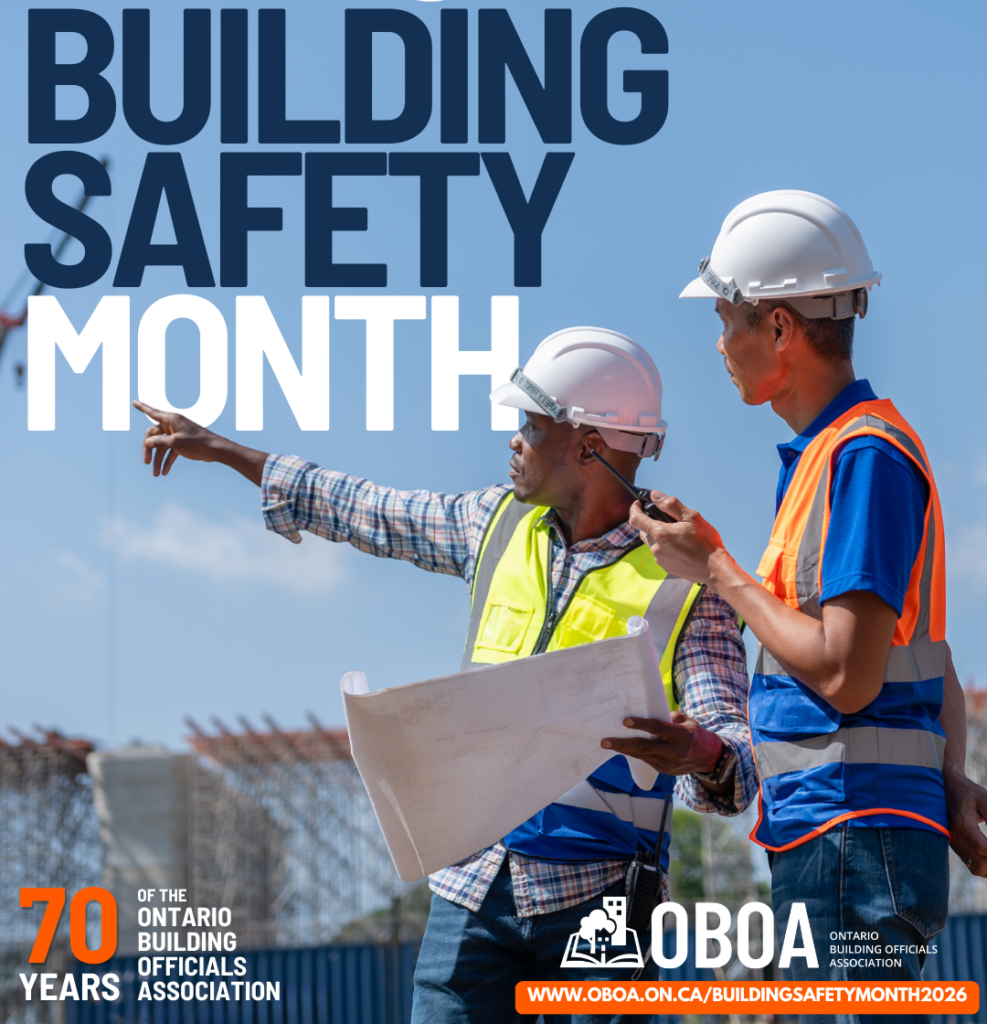
While the HCRA focuses on the builder’s qualifications, conduct, and accountability, building officials focus on the construction itself. Even though builders must demonstrate knowledge of the Building Code to become licensed and to stay licensed, it’s building officials who apply and enforce those standards on-site—helping ensure your home is built safely and is ready for you to move in.
Working Together to Support Safe Homebuilding
Safe homebuilding doesn’t depend on just one organization — it’s the result of multiple safeguards and shared effort across the sector.
The HCRA helps ensure qualified professionals enter the industry and building officials ensure the work meets technical safety standards. Together, these roles create a layered approach to consumer protection, addressing both who is building your home and how it’s built.
The HCRA works closely with building officials through ongoing engagement and outreach with municipalities and the OBOA. This includes participation in industry events, hosting education sessions, and sharing information on consumer protection efforts and illegal building (including resources to help identify and report it). This kind of coordination supports a more informed and responsive system for protecting homebuyers.
This collaboration in building safe homes extends across the industry. For example, many homeowners are surprised to learn that a building permit does not cover electrical work. In Ontario, if you are hiring someone to do electrical work in your home, it must be completed by a Licensed Electrical Contractor (LEC), who are licensed by the Electrical Safety Authority (ESA). The ESA also issues permits for all electrical work to ensure compliance with the Ontario Electrical Safety Code — helping reduce risks like fire and electrical hazards while protecting Ontario consumers. To learn more about LECs and the importance of filing for electrical permits visit the ESA’s website.
Each organization play a distinct role, but all contribute to the same goal: safe, reliable homes for Ontario families.
What This Means for You as a Homebuyer
As a homebuyer, knowing who does what can help you make informed decisions and understand what protections are available to you. Here’s how you can use this information throughout your homebuying journey:
- Verify your builder
- Always verify a builder’s licensing status before you sign anything. Check the Ontario Builder Directory for the most up-to-date information about a builder. If they’re not listed, they’re likely working illegally.
- Know who to contact
- Questions about a builder’s licence → Contact the HCRA
- Complaints about a builder’s conduct or competence, or suspected illegal building → Contact the HCRA
- Questions about building permits, inspections, or the Ontario Building Code → Contact your municipal building department
- Work with licensed professionals
- Choosing qualified, licensed professionals — from builders to electricians — is one of the best ways to reduce risk and protect your investment.
Building Confidence Together
Building safe homes in Ontario is a shared responsibility. The HCRA, building officials, and industry partners each play an important role in protecting homebuyers and supporting a fair, transparent marketplace.
During Building Safety Month — and year-round — the HCRA remains committed to strengthening consumer protection, supporting collaboration across the sector, and helping Ontarians make informed decisions when buying a home.
Frequently Asked Questions
1. Does the HCRA inspect homes in Ontario?
No. The HCRA does not conduct construction inspections. Inspections are carried out by municipal building officials to ensure compliance with the Ontario Building Code.
2. Who issues building permits in Ontario?
Building permits are issued by municipal building departments, not the HCRA.
3. Can I contact the HCRA about construction defects?
The HCRA handles concerns related to builder conduct or competence, or illegal building. For construction defects, you may need to contact your municipality or Tarion, which administers Ontario’s new home warranty program, depending on the issue.
4. What does a building official do during inspections?
Building officials inspect homes during and after construction to ensure the work meets Ontario Building Code requirements, aligns with permit drawings, and is ultimately safe for occupancy.
5. How do I check if a builder is licensed in Ontario?
You can search the Ontario Builder Directory to verify a builder’s licence and review their history before making a purchase.